.png)
Related

Healthy Living Gets Easier When You Keep It Simple
One of the biggest mistakes people make with health and fitness is thinking they need to make everything more complicated.
More recipes.
More ingredients.
More rules.
More workouts.
More tracking.
More pressure.
But most of the people who stay consistent the longest are not the ones doing the most.
They are usually the ones who have learned how to keep things simple enough to repeat.
At Memphis Fitness Co., we believe healthy living should fit into your real life. Work, family, travel, stress, busy schedules, and full days are not going away. So the goal is not to build a plan that only works when life is perfect.
The goal is to build habits that are realistic, flexible, and repeatable.
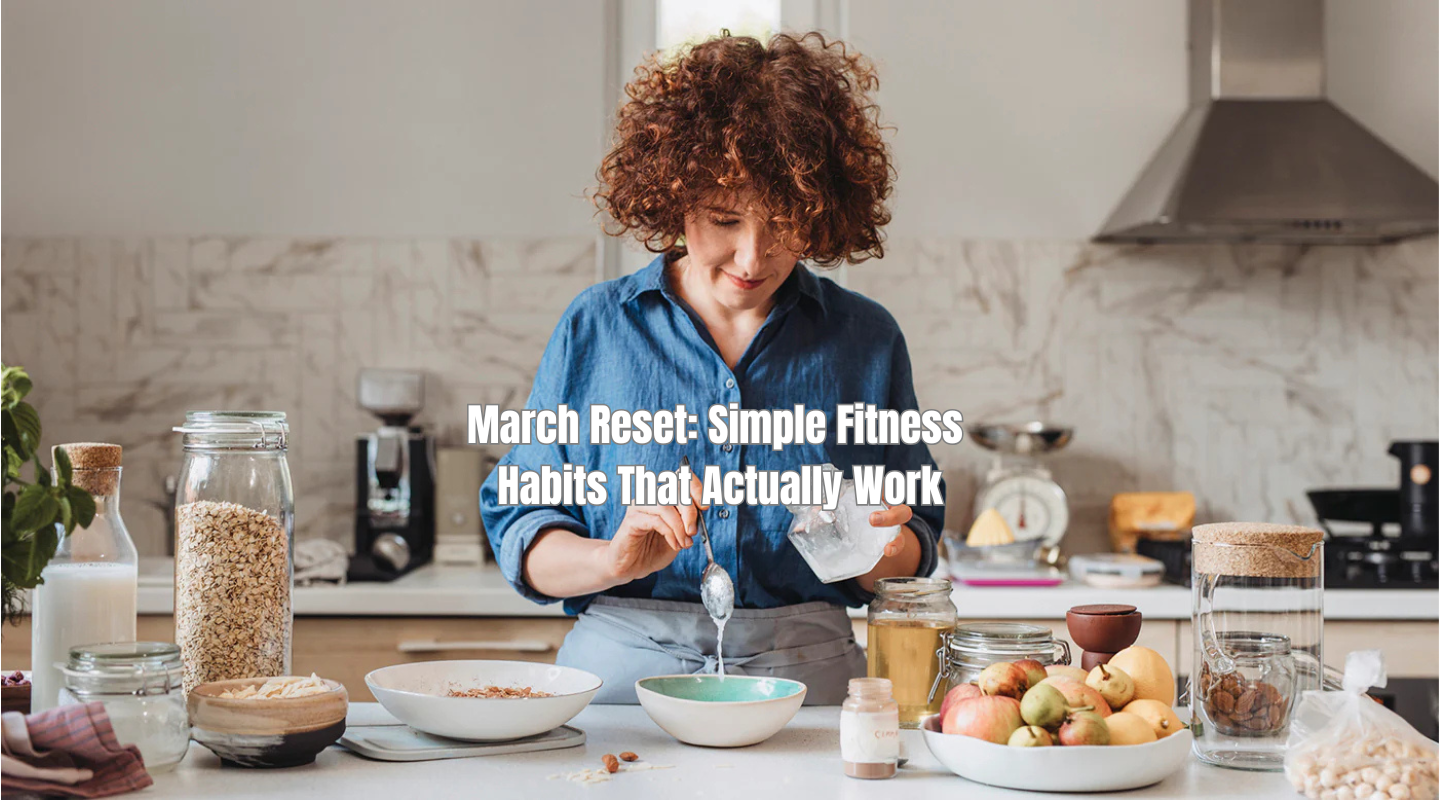
Start With a Simple Kitchen
Healthy eating does not require a pantry full of special ingredients.
In fact, keeping too many random foods on hand can make meals feel more overwhelming, not less.
A simple way to make nutrition easier is to build what we like to call a 10-Ingredient Kitchen.
That means choosing a small group of reliable foods you can mix and match throughout the week.
For example:
Protein: chicken, eggs, salmon, ground turkey, tofu, or beans
Carbs: rice, quinoa, potatoes, or sweet potatoes
Produce: spinach, bell peppers, onions, broccoli, zucchini, or mixed greens
Fats and flavor: olive oil, avocado, garlic, salsa, seasonings, or your favorite sauce
With just a handful of ingredients, you can make stir-fries, bowls, salads, breakfast-for-dinner plates, sheet-pan meals, and simple protein-and-veggie dinners.
For example, you could make a quick chicken and veggie bowl with chicken, rice, bell peppers, broccoli, olive oil, garlic, and seasoning.
It does not have to be fancy to be effective.
The easier your meals are to build, the more likely you are to repeat them.
Energy Comes From the Basics
A lot of people assume low energy means they need more coffee, more supplements, or a complete lifestyle overhaul.
Sometimes there are medical reasons for fatigue, so it is always wise to check with your healthcare provider if your tiredness is new, persistent, or getting worse.
But many times, low energy comes from a few basic things being off.
You may not be eating enough protein.
You may be going too long between meals.
You may be dehydrated.
You may be sitting for too much of the day.
You may be sleeping at inconsistent times.
You may be stacking hard workouts on top of an already stressful season.
Before you assume you need to change everything, start with the basics.
At your next meal, prioritize protein.
Drink a full glass of water.
Take a 10-minute walk outside.
Get to bed at a consistent time.
Make your next workout challenging but not draining.
These actions are not complicated, but they can make a noticeable difference when you do them consistently.
Small Improvements Add Up
There is a popular idea from Atomic Habits by James Clear that says getting 1% better every day can create major change over time.
That is the power of small improvements.
Most people dismiss small changes because they do not feel dramatic enough.
One extra glass of water does not feel life-changing.
One balanced meal does not feel like a transformation.
One walk does not feel like a fitness breakthrough.
One workout does not feel like enough.
But those small actions matter because they build direction.
Going from one workout a week to two matters.
Adding protein to breakfast matters.
Walking after dinner matters.
Going to bed 20 minutes earlier matters.
Choosing your next meal with intention matters.
You do not need one huge decision to change your health.
Most of the time, you need a lot of small decisions that keep pointing you in the right direction.
Use the 2-Day Rule
Consistency does not mean you never miss a workout or never get off track.
That is not real life.
A simple rule that can help is this:
Never skip more than two days in a row.
You can miss one day.
You can miss two days.
But on day three, you show up in some form.
If it is fitness, that might mean a short walk, a bodyweight workout, mobility work, or getting back to class.
If it is nutrition, that might mean one balanced meal, prepping something simple for tomorrow, or choosing a protein-forward snack.
The goal is not to punish yourself or make up for lost time.
The goal is to stay connected to the habit.
A missed day does not hurt your progress. But when the gap gets too big, it becomes harder to restart. The 2-Day Rule helps you keep the gap small.
An Off Day Does Not Undo Your Progress
Maybe you went out to dinner and had the pasta, the bread, and dessert.
Maybe you came home from vacation feeling like your clothes fit a little tighter.
Maybe you had a weekend where you ate differently than normal.
That does not mean you ruined anything.
The mistake is not usually the food. The mistake is what people do next.
They skip meals.
They over-restrict.
They try to burn it off.
They tell themselves they failed.
They wait until Monday to start again.
A better approach is to treat the day as neutral and return to your normal habits at the next opportunity.
Drink water.
Eat a balanced meal.
Prioritize protein.
Move your body.
Get back to your normal routine.
No guilt required.
One meal or one day does not erase your progress unless it becomes your new pattern.
Keep Returning to What Works
Healthy living is not about being perfect.
It is about learning how to return.
Return to simple meals.
Return to movement.
Return to water.
Return to sleep.
Return to strength training.
Return to the habits that help you feel better.
At Memphis Fitness Co., we want fitness and nutrition to feel doable, not overwhelming.
You do not need to start over every time life gets busy.
You need simple systems, supportive coaching, and habits you can keep coming back to.
So this week, choose one small action that would make your health easier.
Stock a few reliable ingredients.
Add protein to breakfast.
Take a short walk.
Drink more water.
Get to bed a little earlier.
Book your workouts ahead of time.
Use the 2-Day Rule.
Small steps may not feel dramatic in the moment, but over time, they build confidence, consistency, and results that last.
.png)
.png)
.png)
.png)